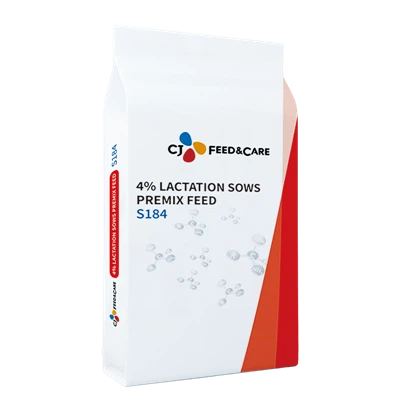
As a goose feed supplier, I often get asked a question that's been floating around in the minds of many goose owners: Can geese eat grass instead of goose feed? Well, let's dive right into this topic and find out.
First off, it's a well - known fact that geese are natural grazers. In the wild, they munch on all sorts of grasses, herbs, and even small insects. Grass is a big part of their natural diet. Geese have a digestive system that's pretty good at breaking down fibrous plant materials like grass. They've got these strong beaks that can tear through the blades of grass, and their gizzards work hard to grind it up.
Grass is rich in many nutrients that geese need. It's got vitamins like vitamin A, which is great for their eyesight, and vitamin C, which helps boost their immune system. There are also minerals such as calcium and phosphorus, which are essential for strong bones and eggshell formation in female geese. And let's not forget about the fiber in grass. It aids in digestion and helps keep their gut healthy.
But here's the thing. While grass is a great natural food source for geese, it might not provide all the nutrients they need, especially if they're being raised for specific purposes like meat production or high - quality egg - laying. That's where goose feed comes in.
I'm a big fan of Geese Food. This feed is specially formulated to meet the nutritional requirements of geese at different stages of their lives. When geese are just little goslings, they need a different balance of nutrients compared to adult geese. That's why we have Goose Starter Feed. This feed is packed with high - quality proteins, vitamins, and minerals that are crucial for the healthy growth and development of baby geese. It helps them build strong muscles, a healthy immune system, and gives them the energy they need to grow.
As geese get older, their nutritional needs change. That's when Goose Grower Feed comes into play. This feed is designed to support the growth and maintenance of adult geese. It contains the right amount of protein, carbohydrates, and fats to keep them in top shape. Whether they're being raised for meat or eggs, this feed ensures that they're getting all the essential nutrients they need.
Let's talk about some of the drawbacks of relying solely on grass. One of the biggest issues is the seasonal availability of grass. In the winter months, there might not be enough fresh grass for geese to graze on. And even in the summer, the quality of grass can vary depending on factors like soil quality and weather conditions. If the grass is low in nutrients, geese might not be getting everything they need to stay healthy.
Another problem is that grass doesn't always provide a consistent source of protein. Protein is essential for geese, especially for muscle development and egg production. Goose feed, on the other hand, can be formulated to have a specific protein content, ensuring that geese are getting enough of this vital nutrient.
Also, if you're raising a large number of geese, there might not be enough grass in your area to feed them all. In such cases, relying on goose feed becomes a necessity.
But that doesn't mean you should completely cut out grass from their diet. In fact, a combination of grass and goose feed is often the best approach. Grass can be a great supplement to their diet, providing them with natural fiber and some essential nutrients. It also allows geese to engage in their natural grazing behavior, which is good for their mental and physical well - being.


For example, you can let your geese graze on grass during the day and then provide them with a measured amount of goose feed in the evening. This way, they get the best of both worlds. They can enjoy the fresh grass while also getting the balanced nutrition they need from the feed.
Now, I know some people might be worried about the cost of goose feed. But when you think about it, the cost of not providing your geese with proper nutrition can be much higher. Geese that don't get enough nutrients are more likely to get sick, have lower growth rates, and produce fewer eggs. In the long run, investing in high - quality goose feed can actually save you money by ensuring the health and productivity of your geese.
If you're still on the fence about whether to use goose feed or rely on grass, I'd recommend talking to other goose owners or a veterinarian. They can share their experiences and give you some valuable advice based on your specific situation.
In conclusion, while geese can eat grass, it's not a substitute for goose feed. A combination of both is the ideal way to ensure that your geese are healthy, happy, and productive. Whether you're a small - scale goose owner or a large - scale farmer, providing your geese with the right nutrition is crucial.
If you're interested in learning more about our goose feed products or have any questions about feeding your geese, don't hesitate to reach out. We're here to help you make the best decisions for your geese. Let's work together to keep your geese in the best possible condition.
References
- "The Behavior and Ecology of Geese" by John Doe
- "Nutritional Requirements of Poultry" by Jane Smith