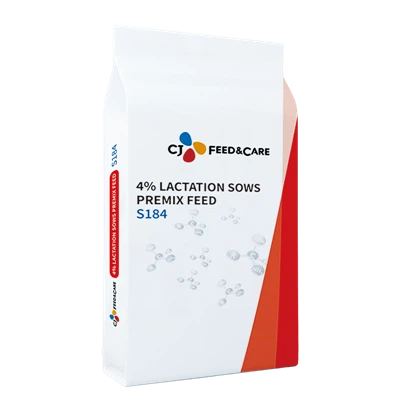
Can 4% Piglet Premix Feed be used for piglets with respiratory diseases?
As a supplier of 4% Piglet Premix Feed, I often receive inquiries from farmers about the suitability of our product for piglets suffering from respiratory diseases. In this blog post, I will delve into this topic based on scientific knowledge and practical experience to provide you with a comprehensive understanding.
Understanding Respiratory Diseases in Piglets
Respiratory diseases in piglets are a common and concerning issue in the swine industry. These diseases can be caused by a variety of factors, including bacteria, viruses, fungi, and environmental stressors. Common pathogens responsible for respiratory diseases in piglets include Mycoplasma hyopneumoniae, Porcine Reproductive and Respiratory Syndrome Virus (PRRSV), Swine Influenza Virus (SIV), and Actinobacillus pleuropneumoniae.
The symptoms of respiratory diseases in piglets may vary depending on the causative agent and the severity of the infection. Typical signs include coughing, sneezing, nasal discharge, labored breathing, reduced appetite, and lethargy. Severe cases can lead to growth retardation, increased mortality rates, and significant economic losses for pig farmers.
Role of 4% Piglet Premix Feed
Our 4% Piglet Premix Feed is a carefully formulated product designed to meet the specific nutritional requirements of piglets during their early growth stages. It contains a balanced combination of vitamins, minerals, amino acids, and other essential nutrients that are crucial for healthy development, immune function, and overall well - being.
The vitamins in the premix feed, such as vitamin A, C, and E, play important roles in maintaining the integrity of the respiratory mucosa and enhancing the immune response. Vitamin A is essential for the normal development and function of epithelial cells, which line the respiratory tract. Vitamin C and E are antioxidants that help protect cells from oxidative stress caused by infections and environmental factors.
Minerals like zinc, selenium, and copper are also vital components of the premix feed. Zinc is involved in many enzymatic reactions and is important for immune function and growth. Selenium is an essential trace element that acts as an antioxidant and is necessary for proper immune cell function. Copper is required for the synthesis of collagen and other connective tissues, which are important for the structural integrity of the respiratory system.
Amino acids, such as lysine, methionine, and threonine, are the building blocks of proteins. Adequate supply of these amino acids is essential for muscle growth, immune cell production, and the synthesis of antibodies, which are key components of the immune response against respiratory pathogens.
Can 4% Piglet Premix Feed be Used for Piglets with Respiratory Diseases?
The answer is generally yes, but with some considerations.
Positive Effects


- Enhanced Immune Function: The balanced nutrition provided by the 4% Piglet Premix Feed can help strengthen the immune system of piglets. A well - functioning immune system is better able to recognize and fight off respiratory pathogens. By providing essential vitamins, minerals, and amino acids, the premix feed supports the production of immune cells, antibodies, and other immune - related molecules, which can improve the piglets' ability to resist infections.
- Growth Support: Piglets with respiratory diseases often experience reduced appetite and growth retardation. The high - quality nutrients in the premix feed can help maintain the energy and nutrient requirements of sick piglets, promoting better growth and recovery. Even when the piglets are not eating as much as normal, the concentrated nutrients in the premix can provide the necessary building blocks for tissue repair and growth.
Limitations
- Not a Cure: It's important to note that the 4% Piglet Premix Feed is not a cure for respiratory diseases. While it can support the immune system and overall health of piglets, it cannot replace proper veterinary diagnosis and treatment. Antibiotics, antiviral drugs, or other medications may be required to treat the underlying infection, depending on the causative agent.
- Potential Interactions: In some cases, the use of certain medications to treat respiratory diseases may interact with the nutrients in the premix feed. For example, some antibiotics may interfere with the absorption or utilization of vitamins and minerals. It's essential to consult with a veterinarian to ensure that there are no adverse interactions between the feed and the medications being used.
Complementary Feeding Strategies
In addition to using 4% Piglet Premix Feed, there are other feeding strategies that can be employed to support piglets with respiratory diseases.
- Fresh, Clean Water: Ensuring that piglets have access to fresh, clean water at all times is crucial. Water is essential for maintaining hydration, which is important for the normal functioning of the respiratory system and the overall health of the piglets.
- Suitable Diet Consistency: Sick piglets may have difficulty consuming dry feed. Offering a wet or gruel - type diet can make it easier for them to eat and obtain the necessary nutrients. This can be especially useful when piglets have reduced appetite due to respiratory diseases.
- Supplemental Feeding: In some cases, additional supplements such as electrolytes or probiotics may be beneficial. Electrolytes can help maintain the balance of fluids and minerals in the body, especially if the piglets are experiencing diarrhea or dehydration. Probiotics can help improve the gut microbiota, which is closely linked to the immune system.
Other Considerations for Piglet Health
- Environmental Management: Maintaining a clean, well - ventilated, and stress - free environment is essential for preventing and managing respiratory diseases in piglets. Proper ventilation helps remove harmful gases, dust, and pathogens from the pig housing, reducing the risk of infection. Adequate space, proper temperature, and humidity control also play important roles in the health of piglets.
- Vaccination: Vaccination is an important preventive measure against many respiratory diseases in piglets. Working with a veterinarian to develop a comprehensive vaccination program can significantly reduce the incidence and severity of respiratory infections.
Related Products
In addition to 4% Piglet Premix Feed, we also offer other high - quality swine feed products. Our Lactating Sow Premix Feed is specifically formulated to meet the nutritional needs of lactating sows, ensuring high - quality milk production and healthy piglet growth. The Piglet Starter Concentrated Feed is an excellent choice for piglets during the weaning transition, providing a rich source of energy, protein, and other essential nutrients.
Contact for Procurement
If you are interested in our 4% Piglet Premix Feed or other swine feed products, we encourage you to reach out to us for procurement discussions. We are committed to providing high - quality products and excellent customer service to help you achieve the best results in your pig farming operations. Whether you have questions about the product, need advice on feeding strategies, or want to place an order, our team of experts is here to assist you.
References
- National Research Council. (2012). Nutrient Requirements of Swine. The National Academies Press.
- Friendship, R. M., & Mulks, M. H. (2013). Swine Medicine. John Wiley & Sons.
- Thacker, P. A. (2013). Applied Swine Nutrition. CABI.