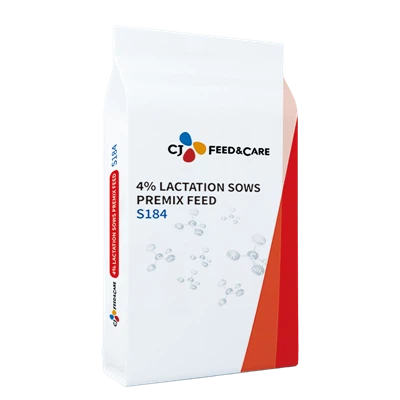
In the dynamic landscape of swine farming, the quest for high - quality, organic finisher feeds for pigs has gained significant momentum. As a dedicated supplier of Finisher Feeds for Pigs, I've witnessed firsthand the evolving needs of pig farmers and the growing interest in organic options. In this blog, we'll explore the availability of organic finisher feeds in the market, their benefits, and how they can contribute to the overall health and productivity of your pig herds.
The Growing Demand for Organic Pig Feeds
Consumers today are more health - conscious and environmentally aware than ever before. This shift in consumer behavior has led to an increased demand for organic pork products. As a result, pig farmers are under pressure to adopt organic farming practices, which include providing organic feeds to their animals. Organic finisher feeds are formulated without the use of synthetic pesticides, fertilizers, genetically modified organisms (GMOs), and antibiotics. This not only aligns with the principles of organic farming but also produces pork that is free from harmful residues, appealing to the health - conscious consumer.
Availability of Organic Finisher Feeds in the Market
The market for organic finisher feeds for pigs has been steadily growing. There are now several suppliers, including our company, that offer a range of organic finisher feeds tailored to the specific nutritional needs of finishing pigs. These feeds are made from high - quality organic ingredients such as organic grains, legumes, and forages.
One of the challenges in the market, however, is the cost. Organic ingredients are generally more expensive than their conventional counterparts due to the higher cost of production. This can make organic finisher feeds pricier, which may deter some farmers from making the switch. But it's important to consider the long - term benefits, such as improved animal health, better meat quality, and access to premium markets.
Benefits of Organic Finisher Feeds
1. Healthier Pigs
Organic finisher feeds are rich in natural nutrients and antioxidants. The absence of synthetic chemicals and antibiotics means that pigs are less likely to develop antibiotic - resistant bacteria. Additionally, the use of organic ingredients can enhance the immune system of pigs, making them more resistant to diseases. For example, organic grains and legumes provide a balanced diet that supports healthy growth and development.
2. Better Meat Quality
Pigs fed with organic finisher feeds tend to produce meat that is of higher quality. The meat has a better flavor, texture, and nutritional profile. Organic pork is often leaner and contains higher levels of beneficial fatty acids, such as omega - 3 fatty acids. This is because the organic diet of the pigs allows for a more natural growth process, which in turn affects the composition of the meat.
3. Environmental Sustainability
Organic farming practices, including the use of organic feeds, are more environmentally friendly. Organic agriculture reduces the use of synthetic pesticides and fertilizers, which can contaminate soil and water sources. By choosing organic finisher feeds, farmers contribute to the conservation of the environment and the promotion of sustainable farming.
Our Company's Organic Finisher Feeds
As a supplier of Finisher Feeds for Pigs, we take pride in offering high - quality organic finisher feeds. Our feeds are carefully formulated by a team of animal nutritionists to meet the specific nutritional requirements of finishing pigs.
We source our organic ingredients from trusted suppliers who adhere to strict organic standards. Our feeds are free from GMOs, synthetic pesticides, and antibiotics, ensuring that your pigs receive a natural and healthy diet. We also offer different formulations to suit the different breeds and growth stages of pigs.
In addition to our organic finisher feeds, we also provide Hog Grower Feed and Gestation Feed for Pigs. Our comprehensive range of swine feeds allows farmers to provide a complete and balanced diet to their pigs throughout their life cycle.
Making the Switch to Organic Finisher Feeds
If you're considering switching to organic finisher feeds for your pigs, there are a few things to keep in mind. First, consult with a veterinarian or an animal nutritionist. They can help you determine the best organic feed formulation for your pigs based on their breed, age, and health status.


Second, gradually introduce the organic feed to your pigs. Sudden changes in diet can cause digestive problems. Start by mixing a small amount of the organic feed with their current feed and gradually increase the proportion of the organic feed over a period of 7 - 10 days.
Finally, be prepared for the cost. While organic finisher feeds may be more expensive upfront, the long - term benefits can outweigh the initial investment. You may also be able to access premium markets for your organic pork, which can increase your profitability.
Conclusion
The availability of organic finisher feeds for pigs in the market is a positive development for the swine farming industry. These feeds offer numerous benefits, including healthier pigs, better meat quality, and environmental sustainability. As a supplier of Finisher Feeds for Pigs, we are committed to providing high - quality organic feeds to meet the needs of pig farmers.
If you're interested in learning more about our organic finisher feeds or would like to discuss your specific requirements, we encourage you to reach out. We can provide you with detailed information about our products, pricing, and how our feeds can benefit your pig herds. Contact us today to start a conversation about how we can help you achieve your farming goals.
References
- National Organic Program, United States Department of Agriculture. "Organic Livestock and Poultry Production."
- "Swine Nutrition Handbook." University Extension Service.
- Journal of Animal Science. "Impact of Organic Feeding on Pig Health and Meat Quality."