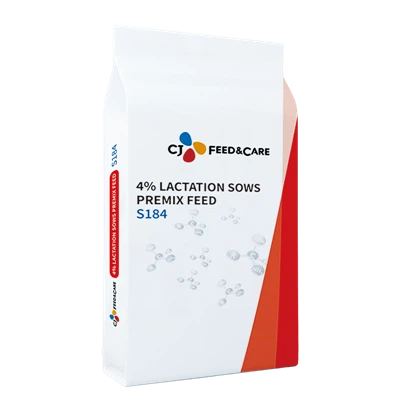
As a supplier of Boar Premix Feed, I often receive inquiries from customers regarding the potential health risks associated with this product. It's a valid concern, as the well - being of animals is of utmost importance to farmers and breeders. In this blog, I'll delve into the topic and provide a comprehensive analysis based on scientific knowledge and industry experience.
Understanding Boar Premix Feed
Boar Premix Feed is a specialized feed additive formulated to meet the unique nutritional requirements of boars. It contains a concentrated blend of vitamins, minerals, amino acids, and other essential nutrients. These nutrients play a crucial role in maintaining the boar's overall health, enhancing reproductive performance, and improving the quality of sperm.
The Boar Premix Feed we offer is carefully designed by a team of animal nutrition experts. We source high - quality raw materials and follow strict manufacturing processes to ensure the safety and efficacy of our product. Each batch is tested for quality and purity before it reaches the market.
Potential Health Risks: Myth or Reality?
1. Nutritional Imbalance
One of the concerns that some people have is the possibility of nutritional imbalance. If the premix feed is not formulated correctly, it could lead to an over - or under - supply of certain nutrients. For example, an excessive amount of vitamin A can be toxic to boars, causing symptoms such as bone deformities, liver damage, and reduced fertility. On the other hand, a deficiency in minerals like zinc can lead to poor sperm quality and reduced libido.


However, when using a high - quality premix feed like ours, these risks are minimized. Our formulation is based on extensive research and takes into account the specific nutritional needs of boars at different stages of life. We also provide detailed feeding instructions to ensure that farmers use the product correctly.
2. Contamination
Another potential risk is contamination. Feed can be contaminated with various substances, including mycotoxins, heavy metals, and pathogens. Mycotoxins are toxic compounds produced by fungi that can grow on grains and other feed ingredients. They can cause a range of health problems in boars, such as immunosuppression, liver damage, and reduced reproductive performance.
Heavy metals like lead, mercury, and cadmium can also be present in feed, either through environmental pollution or improper raw material sourcing. These metals can accumulate in the boar's body over time and cause serious health issues. Pathogens such as bacteria and viruses can contaminate the feed and lead to infectious diseases.
To address these concerns, we have a strict quality control system in place. We source our raw materials from reliable suppliers and conduct regular testing for contaminants. Our manufacturing facilities are also designed to prevent cross - contamination and ensure the safety of the final product.
3. Allergic Reactions
Although rare, allergic reactions can occur in boars due to certain ingredients in the premix feed. Some boars may be allergic to specific proteins, vitamins, or other components. Symptoms of an allergic reaction can include skin rashes, itching, swelling, and respiratory problems.
If a farmer suspects that a boar is having an allergic reaction to the premix feed, they should stop using the product immediately and consult a veterinarian. In most cases, switching to a different formulation or eliminating the allergenic ingredient can resolve the issue.
Benefits of Boar Premix Feed
Despite the potential risks, the benefits of using Boar Premix Feed far outweigh the drawbacks. Here are some of the key advantages:
1. Improved Reproductive Performance
The nutrients in the premix feed are essential for maintaining the boar's reproductive health. Vitamins such as vitamin E and selenium are antioxidants that protect the sperm from oxidative damage. Amino acids like lysine and methionine are important for sperm production and quality. By providing these nutrients in the right amounts, the premix feed can enhance the boar's fertility and increase the chances of successful breeding.
2. Enhanced Overall Health
The balanced nutrition provided by the premix feed helps to strengthen the boar's immune system, making it more resistant to diseases. It also supports proper growth and development, ensuring that the boar reaches its full genetic potential.
3. Cost - Effectiveness
Using a premix feed can be more cost - effective than formulating a complete feed from scratch. The premix feed provides a concentrated source of nutrients, which means that farmers can use less of it while still meeting the boar's nutritional needs. This can result in significant savings on feed costs.
Comparison with Other Swine Feeds
It's also important to compare Boar Premix Feed with other types of swine feeds. For example, 4% Piglet Premix Feed is designed specifically for piglets, and its nutrient composition is different from that of boar premix feed. Piglets have different nutritional requirements, such as a higher need for protein and energy for growth.
Finisher Feeds for Pigs are formulated for pigs that are approaching market weight. These feeds are typically higher in energy to promote rapid weight gain. In contrast, boar premix feed focuses more on reproductive and overall health - related nutrients.
Conclusion
In conclusion, while there are some potential health risks associated with Boar Premix Feed, these risks can be effectively managed by using a high - quality product and following proper feeding practices. Our Boar Premix Feed is formulated to provide the optimal balance of nutrients, minimize the risk of contamination, and ensure the safety and well - being of your boars.
If you're a farmer or breeder looking for a reliable Boar Premix Feed, we encourage you to contact us for more information. We'd be happy to discuss your specific needs and provide you with samples of our product. We believe that our Boar Premix Feed can make a significant difference in the health and performance of your boars.
References
- National Research Council. (2012). Nutrient Requirements of Swine. The National Academies Press.
- Smith, J. R., & Johnson, L. A. (2015). Swine Nutrition and Feeding. Wiley - Blackwell.
- European Food Safety Authority. (2017). Scientific Opinion on the risks for animal and human health related to the presence of mycotoxins in feed and feed raw materials. EFSA Journal, 15(11), e04976.