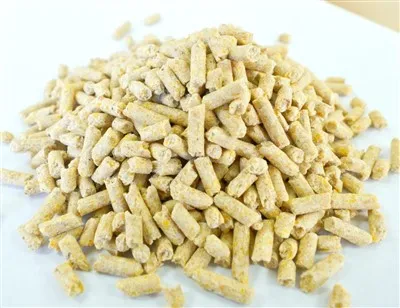
The growth of fattening pigs can be divided into two stages: the growth period (20-60 kg) and the fattening period (60 kg - slaughter). The core principle is that the early stage focuses on bone and lean meat development, while the later stage primarily involves fat growth.
Based on this principle, the scientific approach is "staged feeding": providing a high-protein, high-energy "nutritional feast" in the early stage to support rapid muscle growth, and adjusting the formula in the later stage to control fat deposition efficiency. This achieves lower feeding costs and higher economic benefits. The specific stage divisions and nutritional priorities are shown in the table below:
|
Grow Stage |
Weight Range |
Growth Focus |
Core Nutritional Needs |
|
Early Stage (Growth Period) |
20-60 kg |
Rapid bone and muscle development | Gradual improvement of digestive system |
High protein, high energy | Crude protein 16%-18% | Lysine 0.9%-1.1% | Emphasis on minerals such as calcium and phosphorus |
|
Late Stage (Fattening Period) |
60 kg - Slaughter |
Efficient fat deposition | Complete organ function |
Sufficient energy, moderate protein Crude protein 14%-16% | Lysine 0.8%-0.9% |
To meet the growth pattern of fattening pigs, which is "growing skeleton in the early stage and lean meat in the later stage", the fattening period is usually divided into two stages: the early stage (about 30-60 kg) and the later stage (60 kg to slaughter), and different feed formulas are used for each stage.
Typical feed formulations for fattening pigs at different stages ,For your reference
|
Stage |
Weight Range |
Formula Type |
Corn (%) |
Soybean Meal (%) |
Wheat Bran (%) |
Other Core Ingredients (%) |
Nutritional Level Reference (Crude Protein) |
|
Early Stage |
30-60kg |
High-Efficiency Growth Formula |
65 |
20 |
8 |
Fishmeal 5, Premix 2 |
16%-18% |
|
Economic Formula |
60.3 |
11 |
5 |
Cottonseed Meal 2.8, Rapeseed Meal 2.5, Fishmeal 2, Premix 4 |
16% |
||
|
Separate Feeding Formula |
61 |
15.3 |
15 |
Corn gluten meal 5, Limestone 1.5, Dicalcium phosphate 0.9, Salt 0.3, Premix 1 |
16.1% |
||
|
Late Stage |
60kg-Slaughter |
High-Efficiency Growth Formula |
70 |
15 |
- |
DDGS 8, Premix 5 |
14%-15% |
|
Economic Formula |
62.4 |
6 |
5 |
Cottonseed meal 3, rapeseed meal 2, fishmeal 2, premix 4 |
14.4% |
||
|
Separate Feeding Formula |
65 |
7.5 |
15 |
Corn gluten meal 9, limestone 1.5, dicalcium phosphate 0.7, salt 0.3, premix 1 |
14.1% |
Premix instructions: The premix in the formula (1%-5%) is crucial, as it provides essential vitamins, trace elements, amino acids, and minerals such as calcium, phosphorus, and salts. It is recommended to purchase products from reputable brands to ensure nutritional balance.
Considering the feeding cost , the Economic Formula is the best choose .
We Recommend you try CJ feed and care brand swine premix series:

By leveraging CJ amino acid technology advantages, we design low-protein, high-amino acid diets to achieve cost advantages while ensuring the growth of piglets.

By adding CJ enzyme preparation combination package, the digestibility and utilization rate of feed is improved, making meat growth more cost-effective.
Key Formula Considerations and Cost Optimization
Core Idea: The core of the formula is high protein in the early stages to promote muscle growth, followed by controlled protein and energy intake to prevent excessive fat accumulation. This directly impacts meat production costs and pork quality.
Raw Material Substitution and Cost Control: When the prices of conventional raw materials such as corn and soybean meal are too high, costs can be reduced by using other raw materials. However, it is necessary to adjust the formula to maintain nutritional balance.
|
Alternative Targets |
lternative Raw Materials and Recommended Usage |
Precautions |
|
Soybean Meal Alternatives (Cost Reduction) |
• DDGS: Up to 8% in later stages • Cottonseed Meal/Rapeseed Meal: Can be used in combination, replacing 10%-15% of soybean meal; lysine supplementation is required. • According to official recommendations, soybean meal can be used up to 13% in the early stage (20-50kg) of growing pigs, and reduced to 10% in the later stage (50-75kg). |
When using mixed meals, it is recommended to add non-starch polysaccharide enzymes to improve feed digestibility. |
|
Corn Alternatives (Utilizing Local Resources) |
Corn Alternatives (Utilizing Local Resources) • Rice flour/barley: Replace 30% of corn at a 1:1 ratio • Cassava flour/sweet potato residue: Partial replacement; |
pay attention to overall energy balance. Ensure the energy-to-protein ratio of the diet remains balanced after substitution. |
CJ Tianjin Feed Co,Ltd can offer customized formula based on your local market resources. Welcome to visit our website : www.cjfeedcn.com