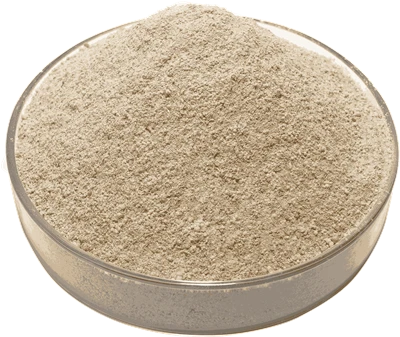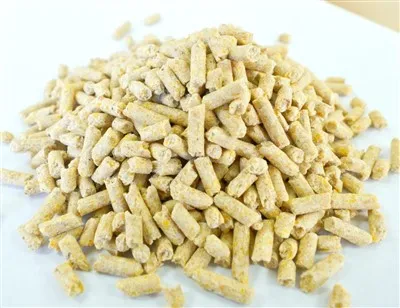
In general, feeding ducks with chicken feed long-term is not recommended, but it can be used as a short-term emergency measure. Long-term feeding may adversely affect the ducks' health and production performance (such as egg production).
The reasons are explained in detail below:
Key Differences Between Chicken and Duck Feed
Different Nutritional Requirements:
1. Protein and Amino Acids
Ducks grow faster and generally require higher levels of protein and certain amino acids (such as methionine and lysine) than chickens. Chicken feed may not meet the protein needs of ducks, especially meat and laying ducks.
2. Minerals
This is one of the most critical differences. Ducks require significantly more calcium than chickens, especially during the laying period. Laying duck feed typically contains 3.0%-3.5% or more calcium, while laying hen feed contains approximately 3.5%-4.0%, and broiler feed contains even less. If ducks (especially laying hens) are fed calcium-deficient chicken feed for an extended period, it can lead to soft-shelled eggs, thin-shelled eggs, and even osteoporosis.
3. Vitamins
Ducks require significantly more of certain vitamins, such as niacin (vitamin B3), than chickens. Niacin deficiency can cause leg problems in ducks, such as lameness, swollen joints, and stunted growth, especially noticeable in ducklings.
4. Energy
The energy requirements of ducks also differ from those of chickens.
Digestive systems differ:
Ducks are waterfowl, and their digestive tract structure differs from that of chickens (landfowl). They have a lower tolerance for fiber in their feed, and the fiber content of chicken feed may not be suitable for ducks.
Feeding behaviors differ:
Ducks have the habit of playing in water and foraging in it, obtaining some natural food (such as algae, small insects, and small fish) from the water, which supplements their nutrition. Chicken feed, on the other hand, is designed for the pure indoor feeding model of chickens.
Recommendations for Different Situations
Ducklings: Absolutely not recommended!
Ducklings have a very high niacin requirement, which chicken feed cannot meet. Feeding them chicken feed easily leads to niacin deficiency, causing leg weakness, inability to stand, joint deformities, and other problems, severely impacting growth and survival rates.
Growing Ducks: Not recommended for long-term use.
Short-term use for a few days is not a big problem, but long-term use will slow growth and reduce feed conversion rates due to nutritional imbalances (insufficient protein, amino acids, and vitamins), making it a "unprofitable" growth.
Laying Ducks: Absolutely prohibited!
Severe calcium deficiency is a fatal problem. This will lead to a sharp drop in egg production, extremely poor eggshell quality (soft shells, broken eggs), and severely deplete the calcium reserves of the mother duck, causing paralysis or even death.
Adult Non-Laying Ducks (e.g., pet ducks, breeding ducks in their resting period): Can be used as a short-term emergency measure, but not as a staple food.
If duck feed is unavailable, broiler or laying hen feed can be used temporarily for a few days, but it is best to supplement with some green fodder (such as vegetables and hay) and other foods (such as corn and wheat), and switch back to duck feed as soon as possible.
Summary and Recommendations
|
Duck Type |
ls layer feed ok for ducks ? |
opinions |
|
Ducklings |
Strongly discouraged |
Highly likely to cause niacin deficiency, leading to leg diseases and high mortality. |
|
Growing Ducks |
Not recommended for long-term use |
Nutritional imbalance affects growth rate and feed efficiency. Can be used as a short-term emergency measure. |
|
Laying Ducks |
Absolutely prohibited |
Severe calcium deficiency leads to soft-shelled eggs, decreased egg production, and paralysis in mother ducks. |
|
Adult Non-Laying Duck |
Can be used as a short-term emergency measure |
It's best to mix with other grains and green fodder, and switch back to duck feed as soon as possible.. |
For the health and optimal production performance of your ducks, always choose duck feed specifically formulated for them. Chicken feed and duck feed are formulated based on their unique physiological needs and should not be confused. If you only keep a few ducks as pets, it's okay if they occasionally eat a little chicken feed, but their main diet must be duck feed long-term.