Formulating your own feed for laying hens is a great way to reduce feeding costs and effectively utilize local crops. However, it requires a scientific and careful approach. Below are detailed steps and key points to help you do it safely and efficiently.
Step 1: Clarify Core Principles and Warnings
Nutritional balance is key:
Feed must contain comprehensive nutrients such as energy, protein, amino acids, minerals, and vitamins, and the proportions must be precise.
Safety first:
Raw materials must be fresh, free from mold and contamination. Some raw materials (such as certain oilseed meals and minerals) contain natural toxins or heavy metals, and their usage must be strictly controlled.
Meet stage requirements:
The nutritional needs of laying hens vary greatly at different physiological stages (brooding, growing, and laying periods). Never feed a single formula to all stages.
Small-scale trials first:
New formulas should be tested on a small scale first to observe the flock's feed intake, digestion, feces, and egg production before large-scale formulation.
Step 2: Understanding the Core Nutritional Needs of Laying Hens (Taking Peak Laying Period as an Example)
You need to pay attention to the following key indicators (specific values should refer to the latest "Chicken Feeding Standards"):
|
Metabolic Energy |
Approximately 2650-2750 kcal/kg |
|
Crude Protein |
16-18% |
|
Calcium |
3.5-4.2% (Extremely high, used for eggshell formation) |
|
Total Phosphorus |
0.5-0.6% |
|
Available Phosphorus |
0.4-0.42% |
|
Lysine and Methionine |
hese are key limiting amino acids and must be in sufficient quantities |
|
Salt |
0.3-0.4% |
|
Note |
High protein (>20%) and high energy are required during the brooding period; energy and protein should be controlled during the growing period to prevent premature laying; calcium should be gradually increased in the early stages of egg production |
Step 3: Select and Calculate Raw Material Formula
This is a basic framework. You will need to adjust it based on local raw material prices and availability, and it is essential to use feed formulation software or perform precise calculations.
Common Raw Material Categories:
Energy Raw Materials (60-70%):
Corn: The main energy source, with good palatability.
Wheat, Broken Rice: Can partially replace corn.
Protein Raw Materials (20-30%):
Soybean Meal: The highest quality plant protein source, with a balanced amino acid profile.
Rapeseed Meal, Cottonseed Meal: Can be used in small amounts to reduce costs, but attention should be paid to toxins and palatability; the total amount is recommended not to exceed 5%.
Fish Meal: High-quality animal protein, providing amino acids and unknown growth factors; expensive, optional.
Calcium and Phosphorus Raw Materials (Crucial!):
Calcium Carbonate: Provides calcium; inexpensive. Can be used at 8-9% in laying feed.
Bone Meal, Dicalcium Phosphate: Provides phosphorus and some calcium. Always use defluorinated, safe feed-grade products.
Core Additives (Indispensable):
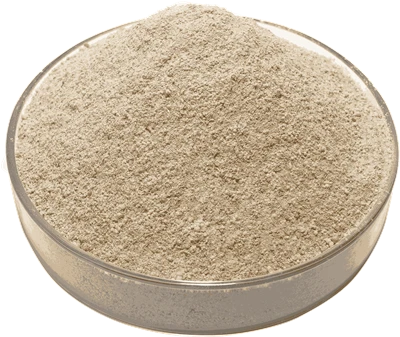
Laying Hen Premix: This is the most recommended and safest method. Premixes contain vitamins, trace elements, amino acids (methionine, lysine), antioxidants, and all other trace components that are difficult to mix evenly by hand. Add according to the manufacturer's recommended ratio (usually 1-5%).
Choose professional, high-quality premix suppliers with independent R&D capabilities, and have them recommend feed formulations.
Salt: Provides sodium and chloride.
If premixes are not used, multiple vitamins, trace elements, amino acids, etc., must be purchased separately, which is extremely difficult and risky to mix.
Step 4: Example Formula and Preparation Process
Example:
A simplified basic formula for laying hens (for reference only, using 3% laying premix)
|
Feeding Stage |
Ingredient Ratio (%) |
|||||
|
Corn |
Soybe an Meal |
Wheat Bran |
stone powder |
Soyb ean Oil |
3333 |
|
|
Laying Period (19 weeks to egg-laying) |
65 |
24 |
4 |
4 |
- |
3 |
|
egg-Laying Period (≥85% production) |
64 |
24 |
- |
8 |
1 |
3 |
|
egg-Laying Period (<85% production) |
62 |
25 |
- |
9 |
1 |
3 |
Manual Preparation Process:
Tools:
Precise platform scale (at least to the gram), large mixing container (mixer is best), waterproof and moisture-proof storage container, protective mask and gloves.
Weighing Ingredients:
Strictly follow the formula proportions, accurately weighing each ingredient using a platform scale.
Step-by-Step Mixing (Crucial Step!):
Principle: Ingredients used in smaller quantities should be diluted and premixed first.
First, mix the premix with a small amount (e.g., an equal amount) of soybean meal or wheat bran to create a "basic propagation feed."
Then, gradually mix the "basic propagation feed" with more bulk ingredients such as soybean meal and corn.
Finally, add limestone powder, dicalcium phosphate, and salt, ensuring thorough and prolonged mixing (at least 10-15 minutes) until the color and texture are completely uniform. Manual mixing is highly prone to uneven mixing, leading to nutrient poisoning in some chickens and deficiencies in others.
Storage: Place the mixed feed in a well-sealed container and store it in a cool, dry, and well-ventilated place. It is best to use it within 2 weeks to prevent vitamin degradation and mold growth.
Step 5: Key Considerations and Recommendations
Strongly Recommended
Premixed feed is strongly recommended. For non-professional farmers, accurately mixing dozens of vitamins and trace elements is nearly impossible. Purchasing reputable premixed feed specifically for laying hens is the most economical and safest way to ensure balanced nutrition.
Recommend some CJ premix for layer


Raw Material Quality Control:
Corn, soybean meal, and other main feed ingredients must not be moldy. Aflatoxin and other substances produced by moldy feed can severely damage the liver of laying hens, leading to decreased egg production and even death.
Monitor Laying Hen Performance:
Poor Eggshell Quality (Soft Shell, Thin Shell):
This may be due to insufficient or improper calcium-phosphorus ratio, or vitamin D3 deficiency.
Decreased Egg Production:
Check for sufficient energy and protein, especially methionine deficiency.
Ruffled Feathers, Pecking:
This may be due to insufficient amino acids (especially sulfur-containing amino acids) or insufficient salt.
Water Supply:
Adequate and clean drinking water must be provided. Water shortage has a more rapid and severe impact on egg production than feed shortage.
[Further details on water supply are needed for complete translation] Record and adjust:
Record the proportions of each batch of formula, the source of raw materials, as well as the flock's egg production rate, egg weight, feed intake, and feces condition, in order to optimize the formula later.
Summary: Advice for Beginners
For farmers just starting out with self-mixing feed, the safest approach is:
Corn + Soybean Meal + Limestone +oil+ Dicalcium Phosphate + Salt + High-Quality Laying Hen Premix.
First, strictly follow the established formula provided by the premix manufacturer to ensure nutritional balance. After gaining experience and data, consider minor adjustments or using some local, inexpensive ingredients as substitutes.
Self-mixing feed is a technical skill that requires continuous learning and observation. If your farm is small-scale, purchasing complete feed from a reputable manufacturer may be more convenient and less risky.