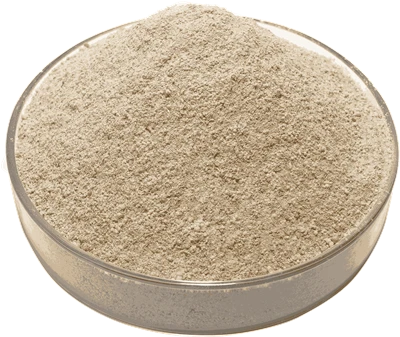
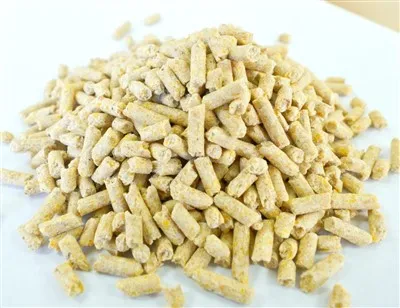
The optimal grain-to-feed combination for dairy cows is not fixed; it must be integrated into a professional total mixed ration (TMR) and adhere to the principles of precise nutrition and cost-effectiveness.
First, let's clarify the core concept: in modern high-yield dairy farming, the core of the "optimal combination" is the total mixed ration. Discussing grain combinations in isolation is not very meaningful; it's essential to consider roughage, protein sources, minerals, and vitamins in conjunction with the overall diet.
The Role and Common Combination Principles of Grain Feeds
Grains primarily provide dairy cows with easily fermentable carbohydrates (starch) for energy production and rumen microbial protein.
1.Commonly Used Grains and Their Characteristics:
Corn: High starch content (approximately 70%), high energy value, and a high proportion of rumen-exposed starch, making it the "gold standard" for energy.
Barley/Wheat: Starch ferments rapidly; dosage must be controlled to prevent rumen acidosis. Usually used in combination with corn to regulate the starch fermentation rate.
Sorghum: Similar to corn, but with lower starch digestibility, requiring grinding or steam flaking. Can be used as a partial substitute for corn when cost is low.
Oats: High fiber content, low starch content, good safety profile, commonly used in early lactation or calf feed.
2.Basic Principles of Grain Combination:
Combining Fast and Slow Fermentation: Combining starch sources that ferment rapidly (barley, wheat) and those that ferment slowly (corn, sorghum) provides a more sustained energy supply for rumen microorganisms and stabilizes rumen pH.
Processing Methods: Processing methods such as flaking, puffing, and grinding affect the site and rate of starch digestion and are a key part of the "combination." For example, steam-flaked corn can significantly improve the overall digestibility of starch throughout the digestive tract.
Risk Mitigation: Avoid using excessive amounts of a single grain (especially wheat) to prevent rumen acidosis. The recommended starch content in the dry matter of the diet is generally 22-28% (adjusted according to milk production and stage).
A typical example of a cereal-based blend (as a percentage of the concentrate portion):
| Corn (flaked or ground) | 50-65% |
|
Barley or wheat |
15-25% |
| Bran (rice bran/wheat bran) | 10-15% (provides usable fiber and phosphorus) |
| Other byproducts (such as beet pulp, citrus pulp) | 5-10% (adjusts palatability and rumen health) |
Recommended Professional Total Daily Ration (TMR) Formulas (Divided by Lactation Stage)
The following is a typical TMR formula framework for Holstein dairy cows with an annual milk production of 9-10 tons. Please be sure to adjust it according to local feed resources and actual production levels, and use it under the guidance of a nutritionist.
1.Early lactation (0-70 days postpartum): High energy, high protein
Goal: To meet peak milk production needs and minimize loss of body condition.
Formula Structure (on a dry matter basis):
High-quality alfalfa hay: 15-20% (provides high-quality protein and calcium)
Whole-plant corn silage: 35-40% (core energy and basic roughage)
Corn (steam-flaked): 18-22%
Soybean meal (46% protein): 10-12%
Whole cottonseed: 5-8% (provides fat, protein, and available fiber)
Moss: 2-3% (improves palatability)
Premix (minerals, vitamins, buffers, etc.): 3-4% (must include sodium bicarbonate, magnesium oxide, and other buffers)
Nutritional Level Reference:
| Net Energy for Milk Production (NEL) | ≥1.72 Mcal/kg DM |
| Crude Protein (CP) | 17-18% |
| Starch | 24-26% |
| NDF | 28-30% |
2.Mid-Lactation (71-200 days postpartum): Stabilize Milk Yield and Restore Body Condition
Goal: Maintain high milk production while allowing dairy cows to begin regaining weight.
Formulation Structure (on a dry matter basis):
Whole-plant Corn Silage: 40-45%
Sheepgrass/Domestic Hay: 10-15%
Corn (crushed): 15-18%
Soybean Meal: 8-10%
DDGS (Corn Distillers' Grains and Germs): 5-7% (Replaces some protein, reducing costs)
Whole Cottonseed: 3-5%
Premix: 3%
Nutritional Level Reference:
| Net Energy for Milk Production (NEL) | 1.65-1.70 Mcal/kg DM |
| Crude Protein (CP) | 16-17% |
| Starch | 22-24% |
3.Late Lactation (201 days postpartum - Dry Milk): Cost Control, Health Maintenance
Objective: Reduce feed costs and prepare for the next litter.
Formulation Structure (by dry matter):
Whole Plant Corn Silage: 40-50%
Corn Stalks/Yellow Silage: 10-15% (Increase filling density)
Corn: 10-12%
Soybean Meal: 6-8%
DDGS or Rapeseed Meal: 5-8%
Premix: 3%
Nutritional Level Reference:
| Net Energy Per Milk Production (NEL) | 1.55-1.60 Mcal/kg DM |
| Crude Protein (CP) | 15-16% |
4.Perinatal Formulation (21 days prepartum - Farrowing): Extremely Critical
Objective: Adapt to high-concentrate diets postpartum and prevent metabolic diseases.
Formulation Features:
Use a "low-calcium diet" (calcium <0.4% DM) to prevent lactation fever. Increase the concentration of vitamins and minerals (especially vitamin E and selenium).
Add anionic salts (such as magnesium sulfate and ammonium chloride) to regulate the blood's acid-base balance.
The formula at this stage is highly specialized and must be designed by a professional nutritionist.
Key Recommendations and Precautions
1.The Foundation: High-Quality Roughage
Even the best grain blend cannot compensate for the deficiencies of poor-quality roughage. Whole-plant corn silage and high-quality hay are the cornerstones of the diet, determining the basic framework of the formulation.
2.Use TMR (Total Mixed Ration) Technology
Ensuring that every bite of nutrition ingested by dairy cows is balanced is the only way to achieve optimal results.
3.Dynamic Adjustment, Precise Nutrition
The formulation must be adjusted based on the average milk yield, milk fat percentage, milk protein percentage, body condition score, and the measured nutrient composition of feed ingredients (ideally, testing for each batch).
4.Season (Heat Stress) and Herd Health
Seasonal factors (heat stress) and herd health significantly impact nutritional requirements.
5.Add Buffers and Functional Additives
In high-yielding cow diets, sodium bicarbonate (1.0-1.5%) and magnesium oxide (0.3-0.5%) must be added to stabilize the rumen.
Consider adding yeast cultures, monensin, etc., to improve feed efficiency.
In summary, the optimal feed combination for dairy cows is a dynamic TMR system centered on "high-quality roughage + appropriate starch sources + balanced protein + precise supplementation." There is no magic formula that works for everyone; the key to success lies in understanding the principles and continuously optimizing and refining management based on the specific circumstances of your herd.
Continue reading:Key points of nutritional supply for beef breeding cows
What is the most common feed for cows ?