Of course! The word "feed" has many different names depending on the context. Here are the most common alternatives, categorized by use case.
For Animals
This is the most common use of "feed." Synonyms include:
Fodder: A general term for food given to livestock (e.g., cattle, horses).
Forage: Food (like grass or plants) that animals graze on themselves.
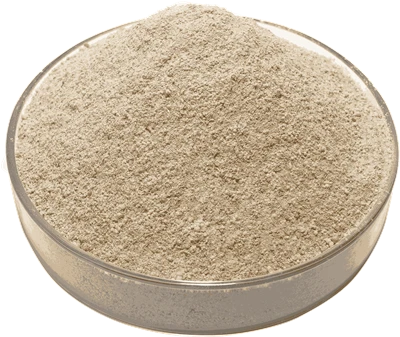
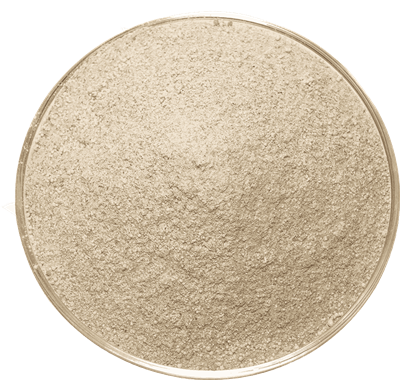
Feedstock: Often used in an industrial agricultural context for the raw materials used in animal feed.
Provender: A more formal or old-fashioned term for dry feed for livestock (e.g., hay, oats).
Rations: Refers to a fixed allowance of food.
Chow: A casual term, very common for pet food (e.g., "dog chow").
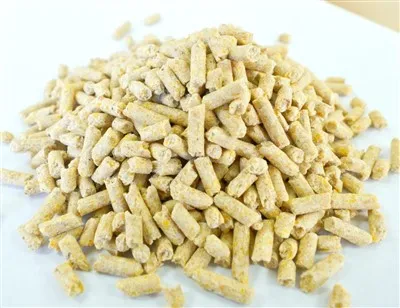
Pellets: Refers to the form of the feed (compressed into small cylinders).


What are the 5 components animals need in their feed?
Animals require a balanced combination of several key components in their feed to maintain health, growth, and productivity. While the exact proportions vary greatly by species (e.g., a cow vs. a cat), age, and purpose (e.g., a pet vs. a dairy animal), the five essential components are:
The 5 Essential Components of Animal Feed: Water,Carbohydrates,Proteins,Fats (Lipids),Vitamins and Minerals.
Here is a more detailed breakdown of each component and its importance
| Function | Sources | |
| Water | This is the most critical nutrient. It is involved in every single physiological process, including digestion, nutrient transport, waste excretion, and temperature regulation. | Clean, fresh drinking water is the primary source. Some water is also obtained from moist feedstuffs. |
|
Carbohydrates |
The primary source of energy for bodily functions, movement, and heat production. They provide the fuel that powers the animal. | Cereal grains (like corn, barley, wheat), grasses, hay, and silage. They are broken down into sugars (like glucose) for immediate energy or stored as glycogen. |
|
Proteins |
Essential for growth, repair, and maintenance of body tissues-muscles, organs, skin, hair, feathers, and hooves. Proteins are made of amino acids, which are the building blocks of the body. | Oilseed meals (soybean meal, canola meal), fishmeal, meat and bone meal, legumes (like alfalfa), and certain grains. |
|
Fats (Lipids) |
A highly concentrated source of energy (providing more than twice the energy of carbohydrates). Also necessary for absorbing fat-soluble vitamins (A, D, E, K), providing essential fatty acids, and insulating the body. | Vegetable oils (like corn or soybean oil), animal fats, oilseeds, and some grains. |
|
Vitamins and Minerals |
These are required in small amounts but are crucial for regulating metabolism, building strong bones and teeth, supporting nerve function, and countless other biochemical reactions. (Minerals: Divided into Macro-minerals (needed in larger amounts, e.g., Calcium, Phosphorus for bones; Sodium, Chloride for fluid balance) and Micro-minerals or trace minerals (needed in tiny amounts, e.g., Iron for blood, Zinc for skin, Selenium for immunity). Vitamins: Divided into Fat-soluble (A, D, E, K) and Water-soluble (B-complex vitamins and Vitamin C).) |
Most are not sufficient in basic feed ingredients, so they are added as premixes to ensure a balanced diet. Examples include bone meal (calcium/phosphorus), salt (sodium/chloride), and specific vitamin supplements. |
A Sixth, Often-Included Component: Fiber
While not always listed as a core "nutrient" like the five above, fiber (specifically crude fiber which includes cellulose and lignin) is an essential part of the diet for many animals, particularly herbivores like cattle, horses, and rabbits.
Function: It is crucial for maintaining healthy gut function and motility. In ruminants (like cows), fiber is fermented by microbes in the rumen to produce volatile fatty acids, a major energy source.
Sources: Roughages like hay, pasture grass, and straw.

In summary, a properly formulated animal feed provides water, energy (from carbs and fats), building blocks (from proteins), and metabolic regulators (vitamins and minerals) to meet all of the animal's needs.