Amino acids are the core nutritional elements in laying hen feed, which directly affect egg production rate, egg weight, egg quality and breeding efficiency.
The following are the key points and regulation strategies of amino acid nutrition for laying hens:

The key role of amino acids in layer production
Influence on egg-laying performance
Lysine (Lys): determines the efficiency of protein synthesis. When it is insufficient, the egg production rate and egg weight will decrease.
Methionine (Met): the first limiting amino acid, affects feather growth and eggshell quality. When it is deficient, it is easy to have pecking and soft-shell eggs.
Threonine (Thr): maintains intestinal health and improves feed utilization.
Determines egg quality
Methionine & Cystine: promotes lecithin synthesis and improves yolk color (cooperates with vitamin A).
Tryptophan (Trp): regulates feed intake and reduces stress (such as a 20% increase in demand during heat stress).
Economic benefits
Amino acid balance can reduce crude protein levels by 1%-2%, reduce soybean meal usage, and reduce feed costs.
For every 1% reduction in crude protein (supplementation of synthetic amino acids), fecal nitrogen emissions are reduced by 8%-10%, with significant environmental benefits.
Essential amino acid requirements of laying hens (taking Hy-Line Brown as an example)
|
amino acid |
Requirements during laying period (%) |
Main functions |
Symptoms of deficiency |
|
Methionine(Met) |
0.35%-0.40% |
Eggshell formation, anti-oxidation |
Soft-shelled eggs, feather pecking |
|
Lysine(Lys) |
0.75%-0.85% |
Egg protein synthesis |
Reduced egg production rate, light egg weight |
|
Threonine(Thr) |
0.55%-0.65% |
Mucosal immunity, digestive enzyme activity |
Diarrhea, poor feed conversion rate |
|
Tryptophan(Trp) |
0.16%-0.18% |
Regulate feed intake, resist stress |
Low feed intake, stress sensitivity |
|
Valine(Val) |
0.70%-0.80% |
Muscle metabolism, energy balance |
Reduced egg weight in the late laying period |
Note: The actual demand needs to be adjusted according to the breed (such as Roman Pink vs. Isa Brown) and the laying stage (initial vs. peak vs. late).
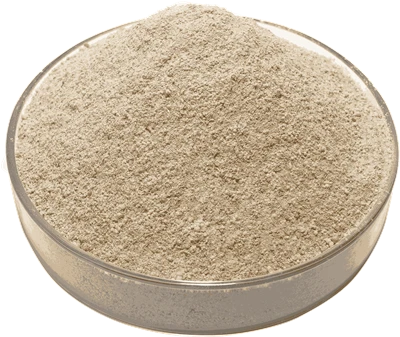
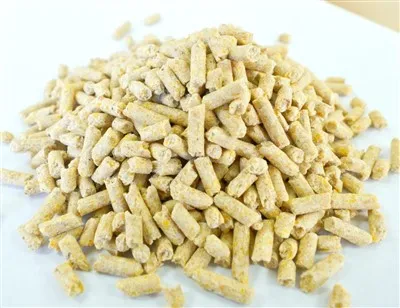
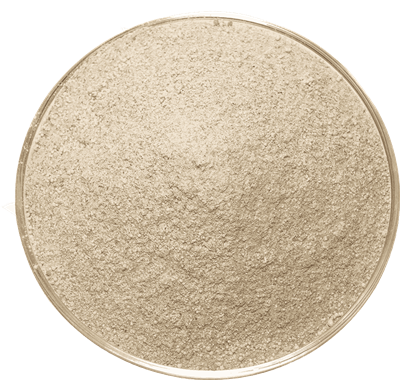
CJ egg layer chicken feed is rich in nutrients that laying hens need at different stages, such as various vitamins and minerals. It ensures the nutritional supply and healthy growth of laying hens, thereby increasing the profits of farmers.

Key issues in practical application
Raw material selection and amino acid digestibility
Soybean meal: Lys digestibility is 90%, but Met is insufficient (needs additional addition).
Rapeseed meal: Met needs to be supplemented (digestibility is only 75%).
Corn-soybean meal type diet: usually lacks Met, Lys, and Thr.
Adjustment under heat stress
Increase Trp (increase feed intake) + Met (antioxidant)
Electrolyte balance: Na⁺ + K⁺ - Cl⁻ = 250mEq/kg (reduce respiratory heat dissipation burden).
Environmental protection and emission reduction
For every 1% reduction in crude protein, fecal nitrogen decreases by 10% and ammonia emissions decreases by 15%.
Recommended solution: 14% crude protein + synthetic amino acids (such as Roman chicken test data).
Summary
1. Methionine and lysine are the core limiting amino acids in laying hen feed and should be given priority.
2. Low-protein diet + synthetic amino acids are the future trend, taking into account both cost and environmental protection.
3. Phased regulation (start of production/peak/late stage) can maximize production benefits.
4. Pay attention to the digestibility of raw materials to avoid "the total amount meets the standard but the utilization is insufficient".