The table below summarizes the key parameters for each stage for your reference:
| Stage | Age/Weight Reference | Growth Goals and Physiological Characteristics | Core Nutritional Requirements (Feed Recommendations) | Feeding and Management Points |
| Suckling Piglets (Building a Solid Foundation) | 0-28 days old Birth weight: approx. 1.5kg Weaning weight: 7-9kg | Goal: Improve survival rate, stimulate digestive system development. Characteristics: Weak immune system, poor thermoregulation, extremely high nutritional requirements | High energy, high protein: Crude protein 18%-22%, supplemented with dairy products (whey powder) for easy digestion. Key Iron Supplementation: Iron supplementation must be done within 3 days of birth to prevent anemia | Early Colostrum Intake: Obtain maternal antibodies within 24 hours of birth. Early Feeding Induction: Start using high-quality creep feed from 7-10 days old to stimulate gastrointestinal development. |
| Weaned Piglets (Smooth Transition) | 28~70days old Weight: 8-30kg | Goal: Reduce weaning stress, prevent diarrhea. Characteristics: Digestive enzyme activity decreases after weaning, creating an immune window period and a high incidence of disease. | Easily digestible protein: Crude protein 18%-19%, using high-quality raw materials such as fishmeal and plasma protein powder. Gut health: Appropriate amounts of zinc oxide, acidifiers, or probiotics can be used to maintain the intestinal environment. | Environmental control: Maintain a temperature of 28-30℃ and humidity of 60%-70% during the first week after weaning. Frequent small meals: Feed 5-6 times daily, gradually transitioning to a new feed (approximately a 7-day transition period). |
| Growing pigs (Skeleton development) | 70-120 days old Weight 30-60kg | Goal: Rapid bone and muscle growth, establishing a strong skeletal structure. | Balanced protein: Crude protein 16%-17%, with a focus on ensuring adequate lysine (0.8%-1.0%) to elongate the skeletal structure. High Energy: Metabolizable energy approximately 13-14 MJ/kg. | Free Feeding: Pigs should be allowed ample feed at this stage to maximize growth rate. Stocking Density: 0.3-0.5 m² per pig to ensure sufficient space for movement. |
| Fattening Pigs (Weight Gain and Meat Growth) | 120 days old to Slaughter Weight 60-110 kg+ | Goals: Increase daily weight gain, improve meat color and fat deposition. Characteristics: Enhanced fat deposition capacity, reduced protein requirements. | Moderate Protein: Crude protein can be reduced to 14%-15% (minimum 11.6%), utilizing amino acid balance technology to reduce soybean meal usage and lower costs. Energy Boost: 0.5% oil can be added to increase lean meat percentage and meat quality. | Restrict feed intake: If pigs become too fat later in the season, their feed intake can be appropriately restricted (to about 75%-80% of free-feeding) to improve lean meat percentage. Pay attention to slaughter weight: Focus on market demand for weight (usually around 110kg offers the best cost-effectiveness at slaughter). |
Key Nutritional Indicators and Practical Advice
Protein and amino acids: Pigs' demand for protein is essentially their demand for amino acids. Lysine is the first limiting amino acid, especially during the growth stage. "High lysine" is the core of feed efficiency. From nursery to fattening, the crude protein level can be gradually reduced from more than 18% to about 14%.
Calcium and phosphorus: These two are the basis of bone development and are directly related to whether the pig can "support a large skeleton." The calcium to phosphorus ratio must be between 1.2:1 and 1.5:1 at all stages.
Recommend Our factory pig feeding pellets

Pig grower pellets
This feed is specially formulated for piglets weighing 15 to 25 kg. nutritionally balanced, promotes growth and easily absorbed. It provides a smooth transition from the starter feed.
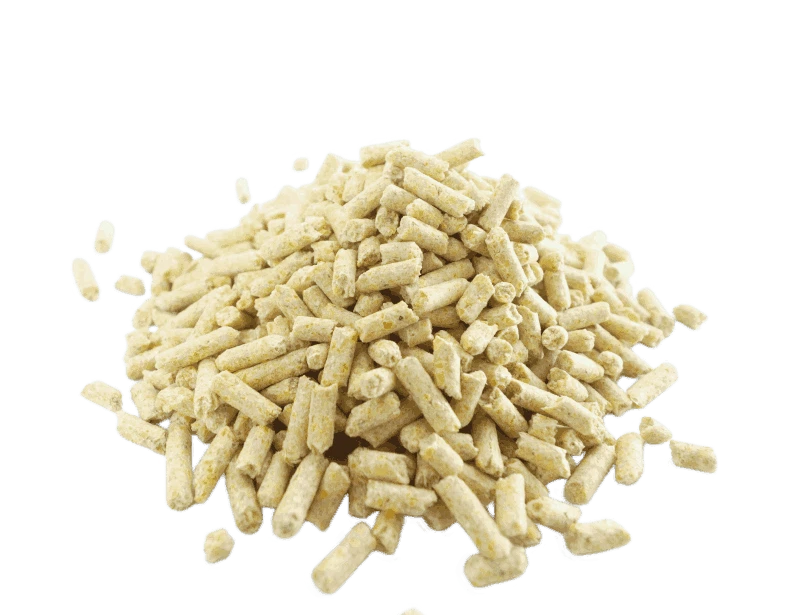
Nutritionally balanced ,Good palatability and easily digestible, it can effectively promote the healthy growth of growing pigs weighing 30-60kg.
Feeding method
Liquid feed or wet mix: can significantly increase feed intake and digestibility, especially for weaned piglets.
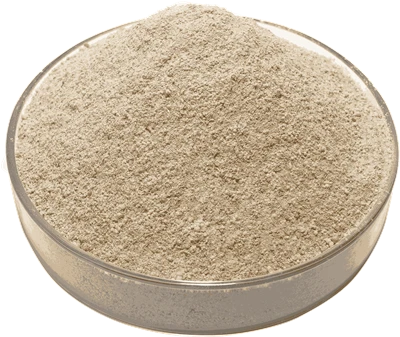
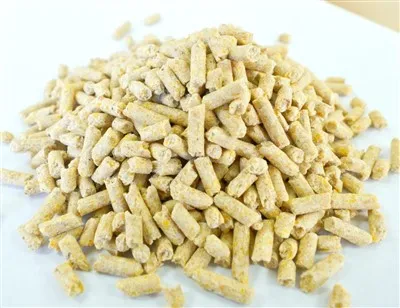
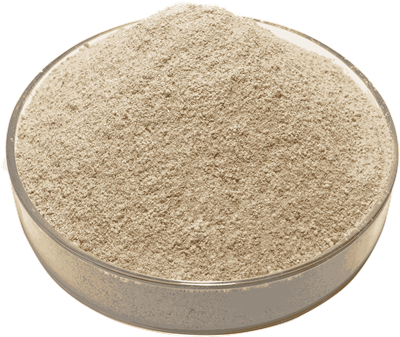
Pellets vs. powder: The use of pellets for growing and fattening pigs can reduce waste and increase the feed conversion rate by about 8%-10%.
Drinking water: Always ensure clean and adequate drinking water. The daily water intake of a fattening pig can reach 2.5-3 times the feed intake.
In summary, an efficient fattening model can be described as "70% nurturing, 30% feeding." The most economical approach is to spare no expense in nurturing the gut health during the nursery period to ensure survival and overall health; to provide ample nutrition to build up the skeletal structure during the growth period; and then to control costs and improve meat quality in the later stages of fattening through precise nutritional adjustments (such as low-protein diets).