What's the core goal of raising laying hens? To efficiently turn feed into eggs! However, the nutrients in feed aren't always absorbed and utilized immediately.
How can we maximize the benefits of every gram of feed consumed by laying hens?
The first step is to improve digestion and absorption efficiency. The key to improving digestibility lies in digestive enzymes and anti-nutritional factor enzyme preparations.
This issue will explore how these enzymes are the key to efficient laying hen production.
Digestive enzymes: precise and efficient "nutrient decomposers"
Function of Digestive enzymes :
Like professional disassembly tools, digestive enzymes can accurately "chop" large pieces of nutrients into small molecules, allowing them to be easily absorbed by the intestines.

Amylase
Breaks down starch into glucose (a source of energy).

Protease
Breaks down protein into amino acids (the building blocks for meat and eggs).

Lipase
Breaks down fat into glycerol and fatty acids (energy and essential nutrients).
Benefits of Adding Digestive enzymes:
Laying hens naturally produce digestive enzymes, but sometimes they're not enough! This is especially true during:
Critical periods
During the ramp-up phase of egg production, for example, when high energy and protein levels are needed, supplementing with enzymes can be a significant benefit.
When using specialized ingredients
To reduce costs and utilize regional ingredients (which may be difficult to digest), adding targeted enzymes can significantly improve digestibility.
Under stress
The digestive capacity may decrease, and additional enzyme preparations are needed
Anti-nutritional enzymes: Improve absorption rate
Function of Digestive Anti-nutritional enzymes :
Many feed ingredients (such as soybean meal and wheat) contain anti-nutritional factors such as phytic acid and non-starch polysaccharides (NSP).These factors can:
"Lock up" nutrients: For example, phytic acid acts like a magnet, attracting minerals like phosphorus, calcium, and zinc, preventing them from being absorbed by chickens.
"Disrupt" the intestinal tract: For example, NSP can make the digesta in the intestines sticky, hindering the function of digestive enzymes and potentially irritating the intestines, fostering the growth of harmful bacteria.
Anti-nutritional enzymes are experts at combating these factors: The functions of anti-nutritional enzymes are:
Phytase
Breaks down phytic acid, releasing locked-up minerals like phosphorus and calcium, significantly improving absorption (saving money and the environment!).
Xylanase, β-glucanase, etc.
They specifically break down NSP, reducing digesta viscosity, creating a cleaner intestinal environment and facilitating nutrient absorption.
Benefits of Digestive Anti-nutritional enzymes :
Eliminating these anti-nutritional factors can not only improve the absorption of nutrients by laying hens, but also reduce the irritation and damage to the intestines caused by anti-nutritional factors, maintain intestinal health, and enhance digestion and absorption capabilities.
CJ chicken premix Feed Factory characteristics and advantages
CJ Group owns its own enzyme factory, offering numerous advantages in the feed industry.
CJ Feed and Care uses its own brand of enzymes, ensuring quality control and consistent results.
CJ Group has established an independent research center in China, staffed by dedicated animal nutrition experts.
CJ feeds utilize traceable ingredients, and CJ's premixe feed and concentrate feed are its primary export products.
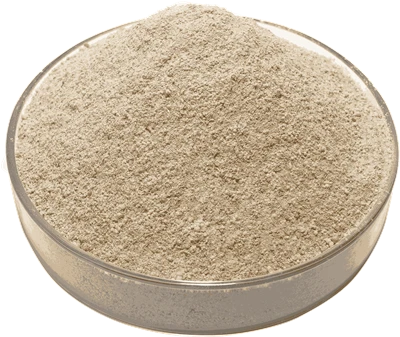
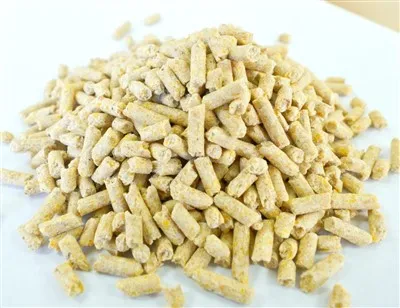
When developing custom formulas for our clients, we prioritize local raw material availability. Our goal is to maximize the utilization of local raw materials and reduce costs for farmers. Therefore, during the production process, CJ feeds incorporate CJ enzymes tailored to the client's raw material mix. Here some our hot sale chicken premix :


Summary:
Digestive enzymes and anti-nutritional factor enzyme preparations are two key "keys" to improving the digestion and absorption efficiency of laying hen feed.
They work together, one to "chop" nutrients, the other to clear absorption barriers, together laying a solid foundation for efficient nutrient utilization. But this is only the first step. How can absorbed nutrients be efficiently utilized for egg production? We also need sufficient "power" and a precise "formula."
Stay tuned for the next installment: "Making Every Gram of Feed Utilize Its Potential" - The "Powerhouse" of Egg Production: Energy and Amino Acids.